BIG ISLAND FAQ
BIG ISLAND FAQ
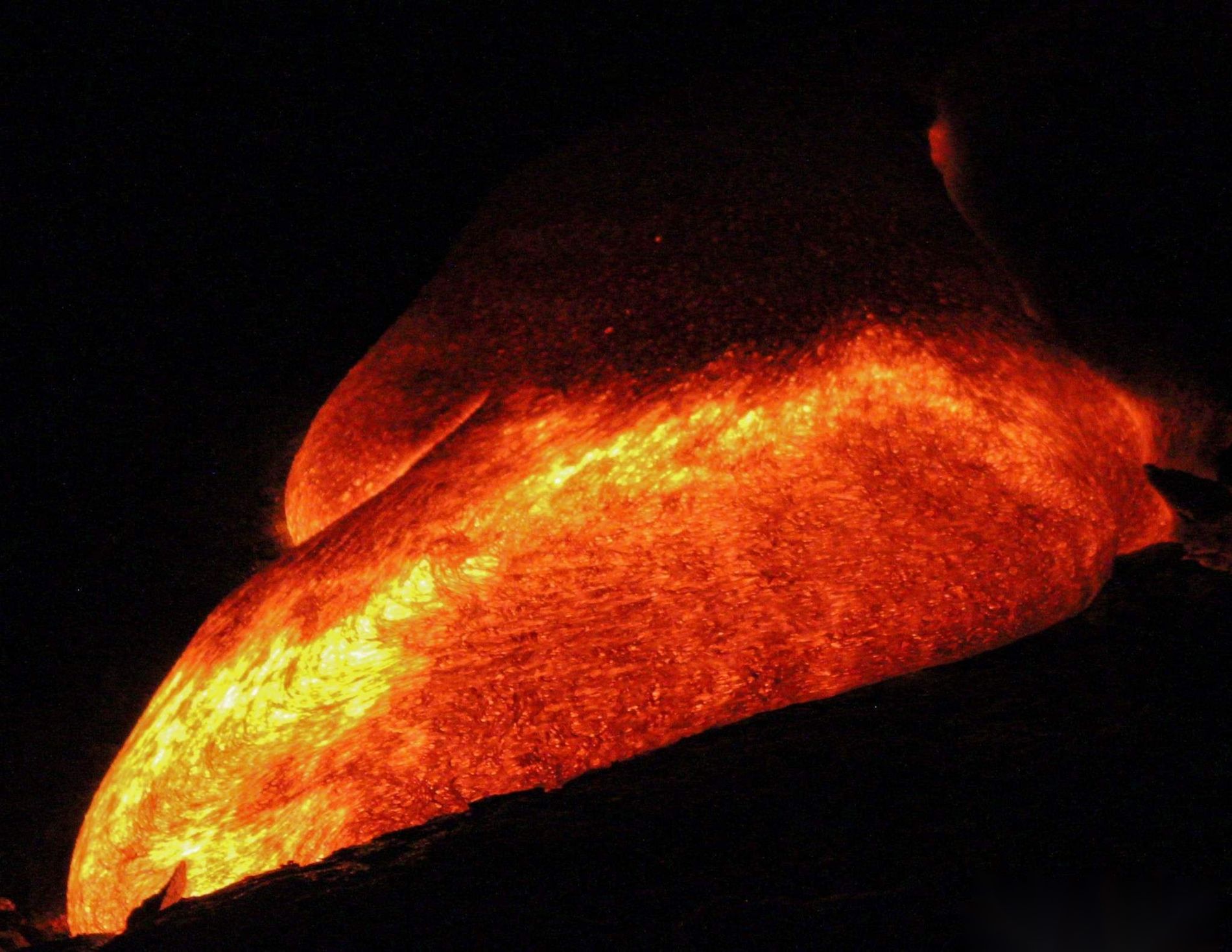
The USGS maps Hawaiʻi Island into nine lava hazard zones. Zone 1 is the highest risk, which is the summit and rift zones of Kīlauea, and Zone 9 is the lowest, up in Kohala. Most of Kona sits in Zone 4, Ocean View and much of Kaʻu are in Zones 2 and 3, and lower Puna has large areas in Zones 1 and 2.
The practical issue is usually insurance and financing rather than lava itself. Standard carriers often will not write fire coverage in Zones 1 and 2, which pushes you to the stateʻs fallback market, and some lenders will not lend without it. That does not make those properties bad buys, and plenty of people live happily in them, but it changes your cost and your financing options, so you want to know before you write an offer rather than after.
Fee simple means you own the land. Leasehold means you own the improvements but lease the ground underneath, usually for a set number of years, after which the lease either gets renegotiated or expires.
Leasehold shows up on the Big Island mainly in certain condo projects. It is not automatically a bad deal, and the lower price can make sense for the right buyer, but the remaining lease term and the renegotiation date matter enormously, and they affect resale and financing. Some projects are in the middle of converting to fee simple, which changes the math again. Always ask, and read the lease.
Large parts of this island have no county water line, so the house collects rain off the roof into a tank. It is completely normal here and hundreds of thousands of people live on it.
Financing is usually fine with a conventional loan, though some government-backed programs have requirements around potability and the tank setup. What you want to look at is the tankʻs condition and size, the filtration, the roof material, and the rainfall where the property actually sits, since the difference between Volcano and Ocean View is enormous. I will walk the system with you.
Most of my buyers are off island at some point in the process, so this is routine. I do video walkthroughs, pull the county and title records before you fly out, and when you do come, I group showings so you see everything that fits in the days you have.
Everything signs electronically, escrow handles funds by wire, and Hawaiʻi does not require you to be present at closing. Give me your criteria and I will tell you honestly whether what you want exists at your number before you buy a plane ticket.
Hawaiʻi County sets rates annually by property classification, and the classification matters more than people expect. An owner-occupied home with the homeowner exemption is taxed very differently from a second home, a short-term vacation rental, or agricultural land.
Rates change year to year, so I will not quote you a number that goes stale. Check the current schedule on the County of Hawaiʻi Real Property Tax office site, and if you plan to live in the property, file for the homeowner exemption. People forget and it costs them every year.
Only in specific places, and the rules have tightened. Short-term vacation rentals are restricted by zoning and by county ordinance, and many existing ones operate under nonconforming use certificates that do not automatically transfer the way buyers assume.
If rental income is part of why you are buying, make that clear from the first conversation. We verify the propertyʻs actual permitted status in writing before your contingency period runs out, not after. This is the single most common way people get hurt on this island.
Commission is negotiable and always has been, and since the 2024 rule changes buyers and sellers each agree in writing to what their own agent is paid. Beyond that you are looking at conveyance tax, your share of escrow and title fees, any repairs you agree to, and prorated property tax and HOA dues.
I will build you a net sheet before you list, so you see the number that actually lands in your account rather than the number on the sign. No surprises at signing.
Once you are under contract, 30 to 45 days is typical with financing, and faster with cash. Getting under contract is the part that varies, and it depends far more on price than on anything else.
Days on market here also swing a lot by area and price band, which is why I would rather show you the current numbers for your specific neighborhood than quote you an island-wide average that describes nobody.
Call me and ask what it is worth. That is it. No appointment, no listing presentation, no commitment.
I will pull the real comparables and give you a range and the number I would actually recommend, and if the honest answer is that now is a bad time to sell, I will tell you that too. You are allowed to use that information and never call me again.
Not on the list? Call or text (808) 431-5416 and ask. Duke answers questions from people who are not his clients and may never be, because that is how most of his clients started.